From Spring Lake to the World Stage: The Remarkable Journey of Anthony Ferraro
A Spring Lake kid who grew up swimming at the South End Pavilion and wrestling at local schools went on to pursue his Paralympic dreams and inspire millions. Now, a museum is preserving Anthony Ferraro's remarkable journey, creating a legacy for generations to come.
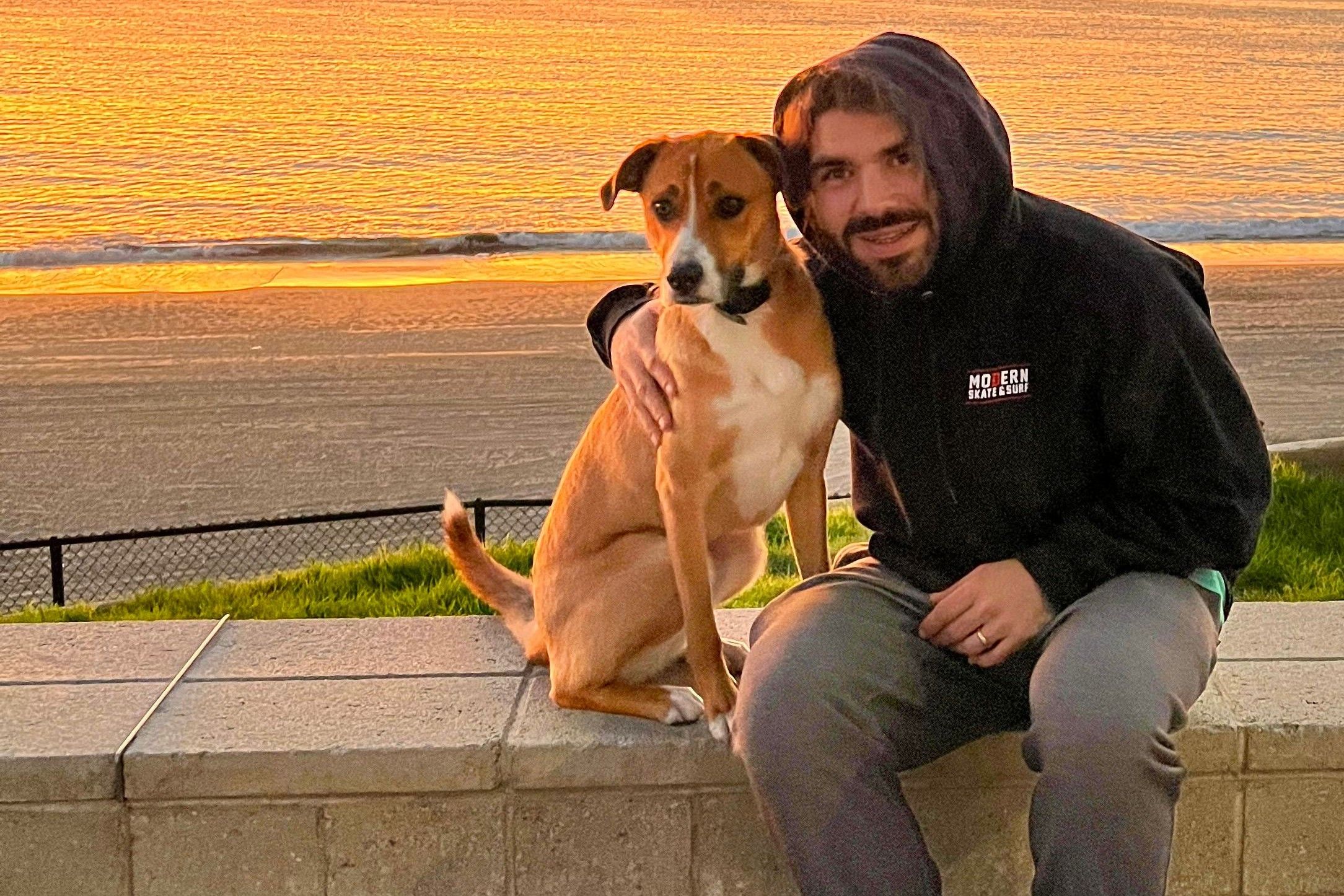
Anthony Ferraro, a blind Paralympic judo athlete, musician, motivational speaker, and content creator with more than 1.5 million TikTok followers, will be one of more than 20 people featured in The Dot Experience, a new immersive museum created by the American Printing House for the Blind in Louisville, Kentucky.
For Ferraro, who recently bought a home in Wall with his wife and young daughter, the recognition hits differently than another viral video or social media milestone.
“I remember kind of when it fully hit me that I would be in a museum,” Ferraro says. “Everyone in their life, I assume, is trying to build a legacy — something that is left when they leave.”
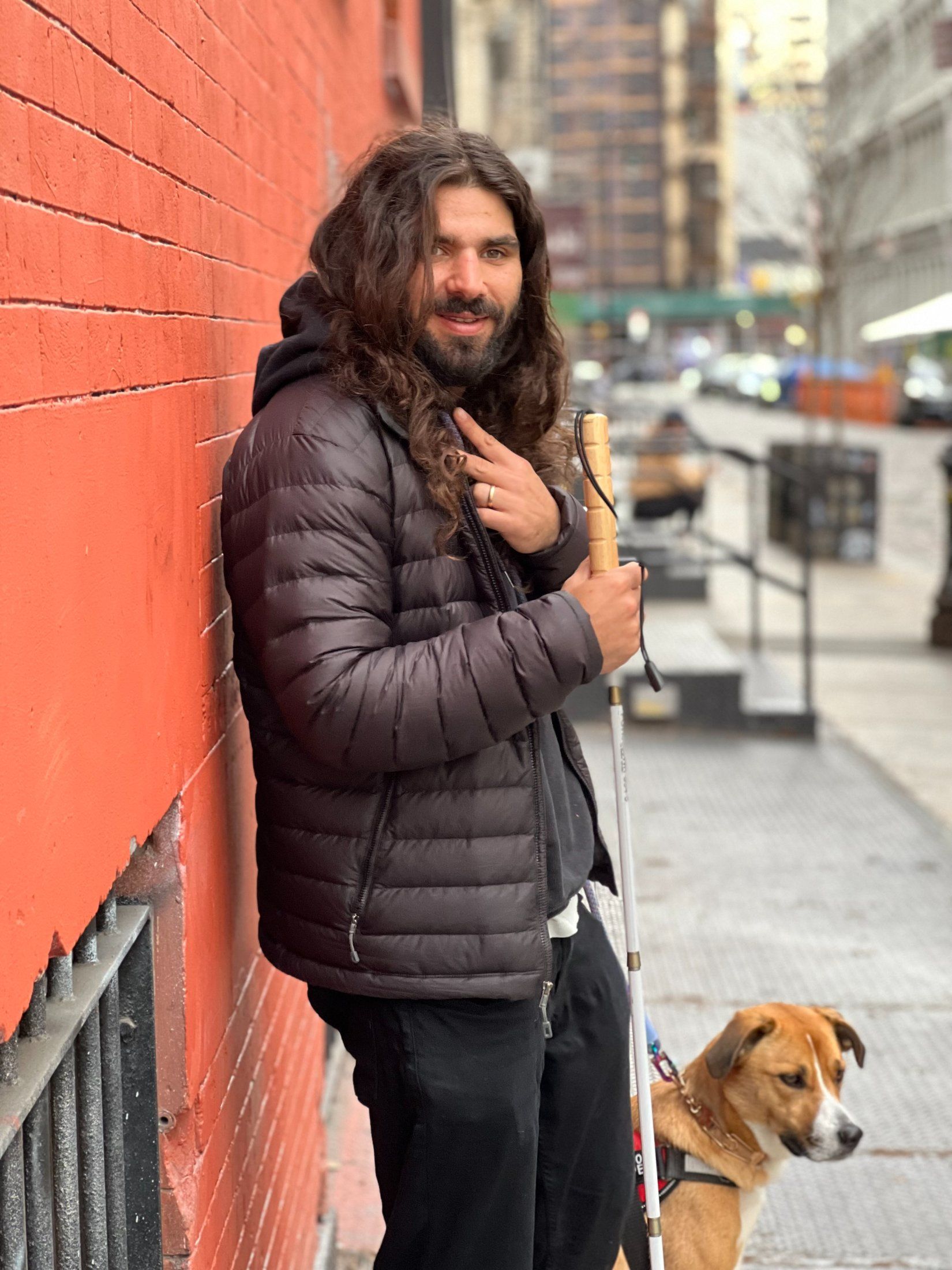
He says social media can be fleeting. A video goes viral, and then the algorithm moves on. A museum is different.
“My daughter can take her kids to the museum one day and be like, ‘Yeah, that’s your grandpa,’” he says. “It really hit me hard. It’s such an honor to be part of such a big project.”
Growing Up Blind in Spring Lake
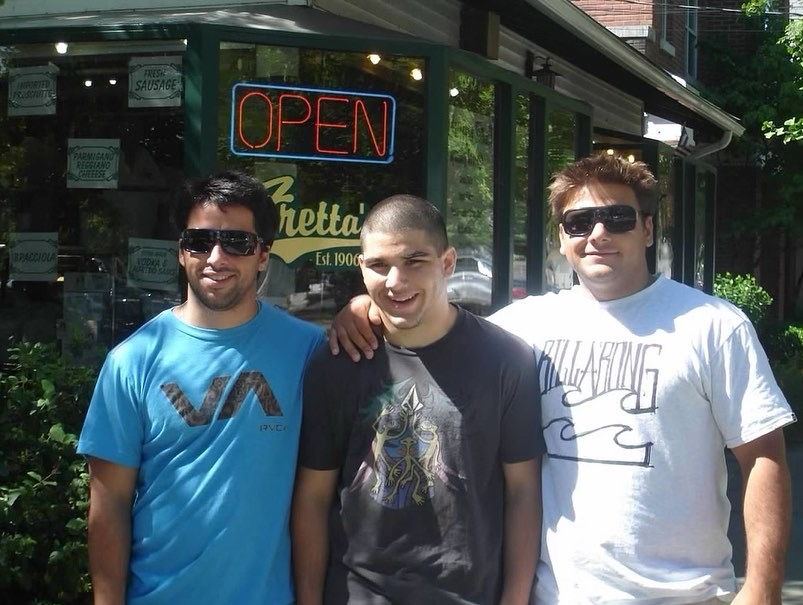
Ferraro grew up in Spring Lake as the youngest of five children in an enormous extended family. His mother was one of 13 children, so Ferraro grew up with roughly 65 cousins in the area.
The Jersey Shore was simply home. He remembers going to the beach and competing in diving contests at the South End Pavilion.
Ferraro was born blind with Leber Congenital Amaurosis, commonly known as LCA, a degenerative inherited eye condition. As a young child, he still had some usable vision.
He was always a Braille reader and couldn’t read print, but as a child, he didn’t necessarily see himself as blind.
“I would bump into someone, and my mom would be like, ‘Sorry, he’s blind.’ And then I’d turn around and be like, ‘I’m not blind,’” he remembers. “Because to me, I could see. I never had anything to compare to.”
Today, he has primarily light perception and can distinguish light from dark.
From kindergarten through sixth grade, Ferraro attended a school for blind students in Philadelphia. There, he learned Braille, accessible technology, and something that would become particularly important later: how to advocate for himself.
In seventh grade, he returned home to attend public school in Spring Lake. That was also when he wanted to find a sport.
Finding Wrestling
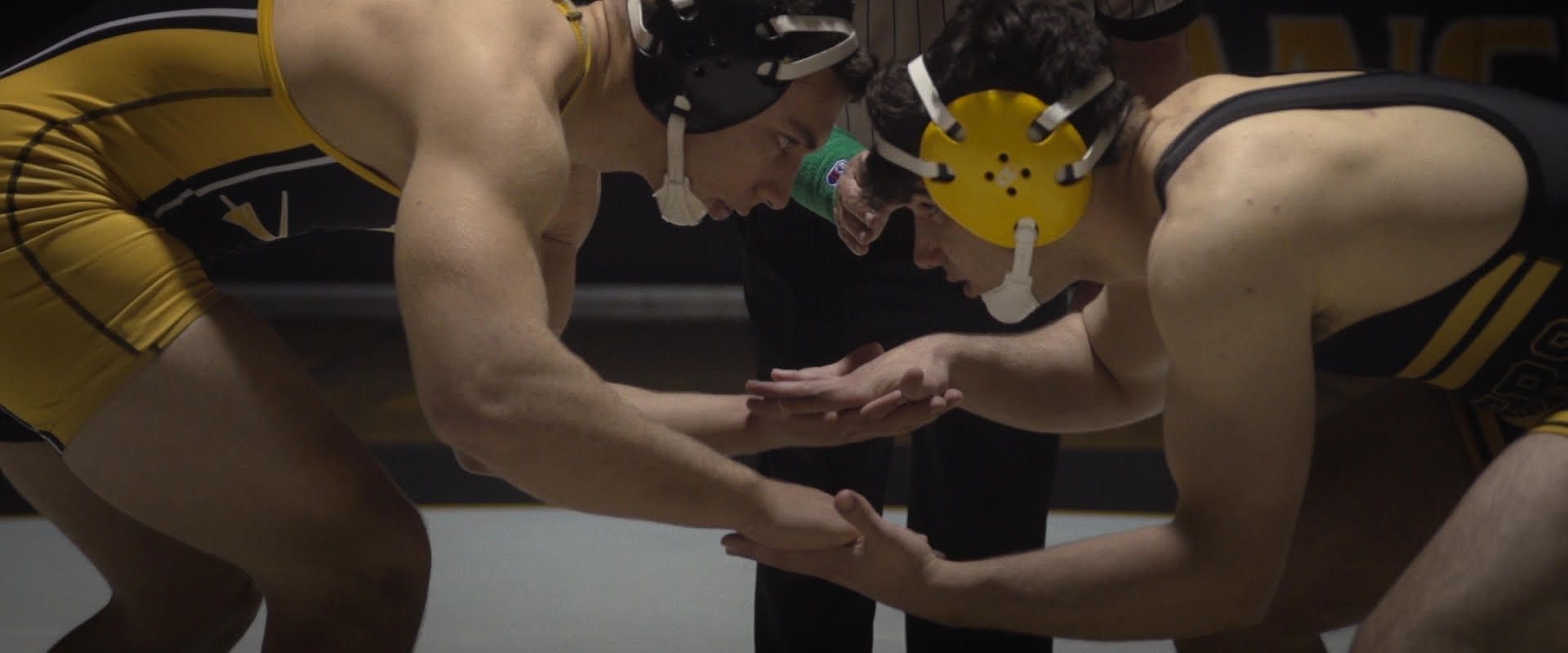
Ferraro grew up playing recreational basketball, soccer, and baseball, but as the games became more competitive, following the ball became increasingly difficult.
Wrestling offered something different. His older brother Oliver was an accomplished wrestler, so Ferraro decided to give it a try.
His first season was not exactly promising. “I was awful,” he says. “I went 2 and 12, and one of the wins was a forfeit.” So he went to work.
Ferraro began training relentlessly at Rhino Wrestling in Wall, then located at the old Velocity Center, under coach Mike Malinconico. He competed nearly every weekend.
By eighth grade, the kid who had gone 2-12 was undefeated and won the Tri-County championship.
But that period also brought one of his first significant experiences with being treated differently because he was blind.
Ferraro was accepted to a private high school his older brothers attended. After the school president who wrote his acceptance letter died, Ferraro says the school reversed the decision, telling his family it didn't want to provide the academic or environmental accommodations he would need.
Then St. John Vianney High School reached out. “They were like, ‘We don’t care what it takes. We want to get you in here,’” Ferraro remembers.
The Film That Changed Everything
Wrestling eventually took Ferraro to college, but a concussion ended his collegiate wrestling career. Without the sport that had provided so much direction, he felt lost.
His brother Oliver had posted a video of Ferraro after a high school wrestling victory and announced that he wanted to make a film about his younger brother. That led him to independent filmmaker Chris Suchorsky, a fellow wrestler who saw the potential for a feature-length documentary.
Suchorsky filmed Ferraro throughout his senior year, capturing his wrestling career and life as a blind teenager. The footage was eventually shelved.
In 2015, Suchorsky returned to the project and edited the first 10 minutes to show Oliver. Days before the two were supposed to meet, Oliver died. Suchorsky attended the funeral and promised the family he would finish the film.
The resulting documentary, “A Shot in the Dark,” was released in 2017. When its trailer went viral, it reached an audience Ferraro never could have anticipated.
It also reached the United States Olympic Committee.
Ferraro was home, grieving his brother and trying to figure out what came next, when the phone rang. “This is the United States Olympic Committee. Is this Anthony Ferraro?”
Ferraro assumed they had the wrong number.
“They were like, ‘We saw your documentary, and weirdly, if you have any of that talent left from wrestling, would you consider training judo for the Paralympics?’”
Within three years, he says, he rose to No. 1 nationally and into the top 20 internationally, traveling the world to train and compete.
Judo and the Paralympic Dream
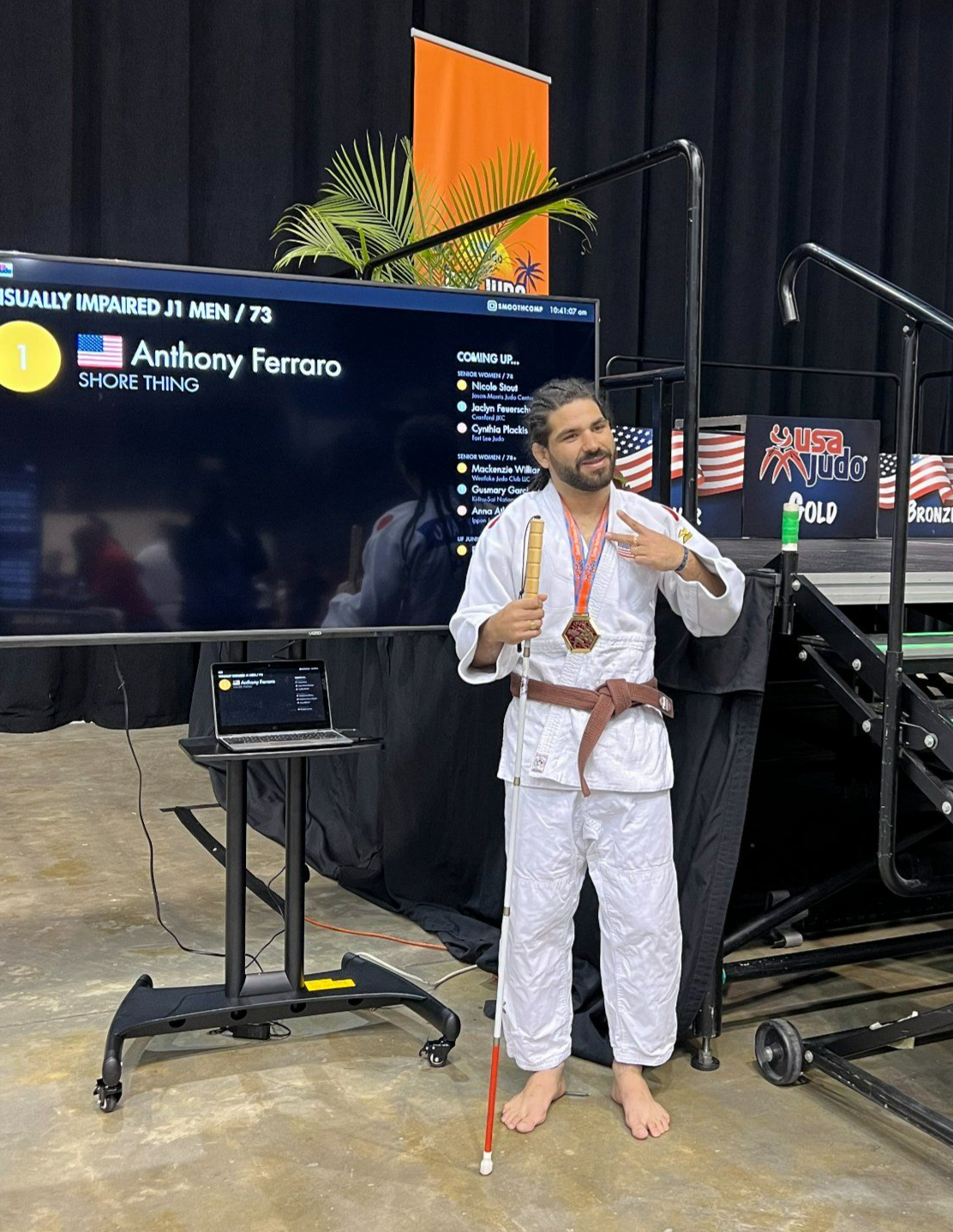
For a blind athlete with a wrestling background, judo was a natural fit. The primary adaptation is that the athletes remain in contact. If contact is broken, the competition stops, and the athletes are brought back together.
Otherwise, Ferraro explains, it is very much the same sport. Today, Ferraro is pursuing one of his biggest goals again: he is training in judo for the 2028 Paralympic Games in Los Angeles.
But athletics became only one piece of a much larger platform.
From Spring Lake Street Corners to Millions of Followers
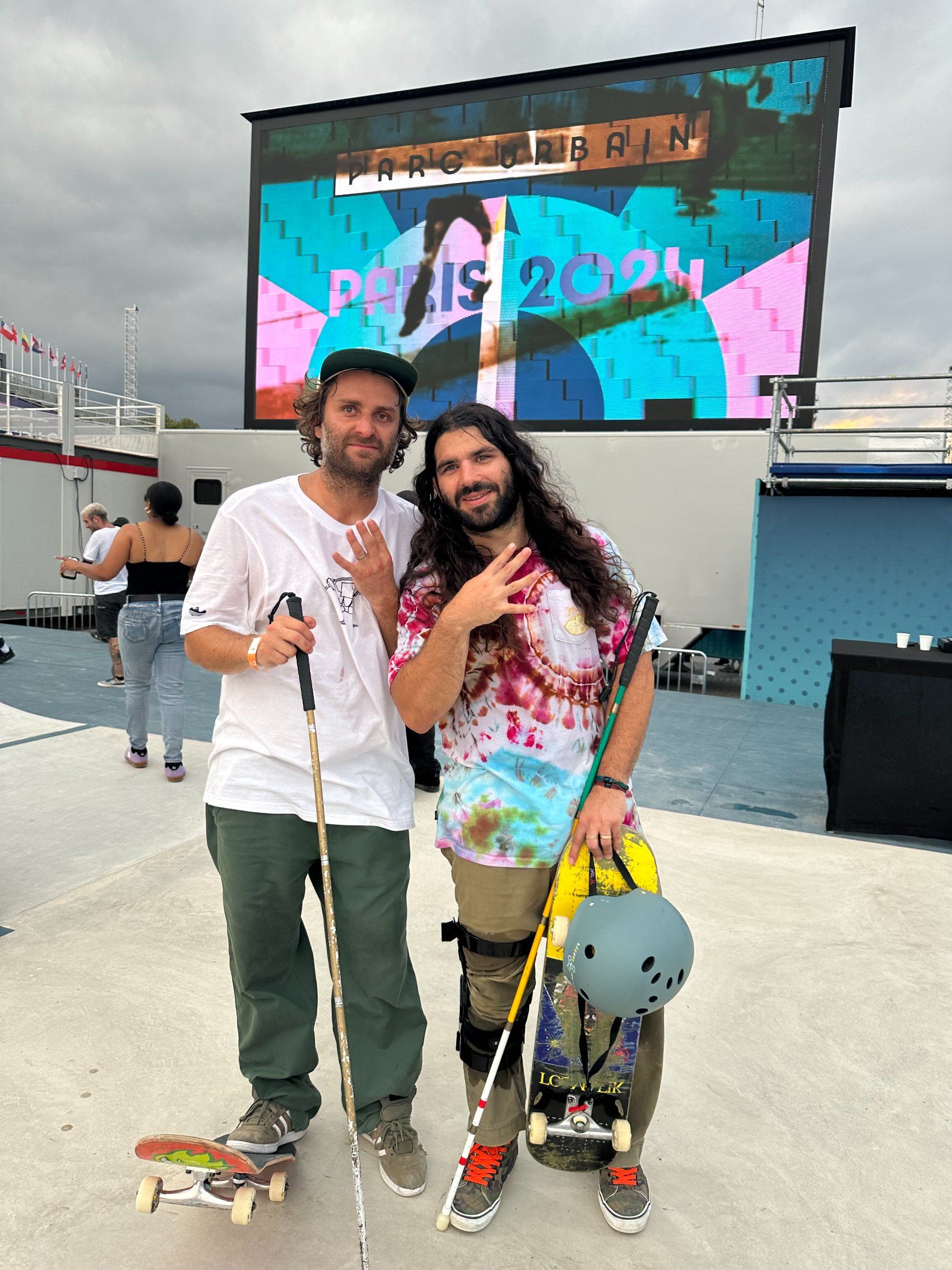
Ferraro’s career as a content creator began during the pandemic.
He had been training for the Tokyo Paralympics when COVID brought competition and training to a halt. He and his then-girlfriend, now wife, moved out of their crowded Brooklyn apartment and returned to Spring Lake.
Music became an outlet.
Ferraro, who sings and plays guitar, began busking on Spring Lake streets. At a time when people were starved for live entertainment and human interaction, people stopped to listen.
That led Ferraro and his future wife to an ambitious idea: a 10,000-mile, seven-week cross-country road trip during which he would play music from different locations and livestream the performances.
After returning home, Ferraro wanted to reach more people. His wife suggested TikTok. Ferraro thought of it as “the dancing app.” Still, they made a video introducing him.
“Hi, I’m Anthony. Pretty normal, right? But there’s one thing that’s different about me. I’m blind.”
He went on to mention judo, skateboarding, surfing, and music before signing off with a phrase that would become part of his online identity: “One love.”
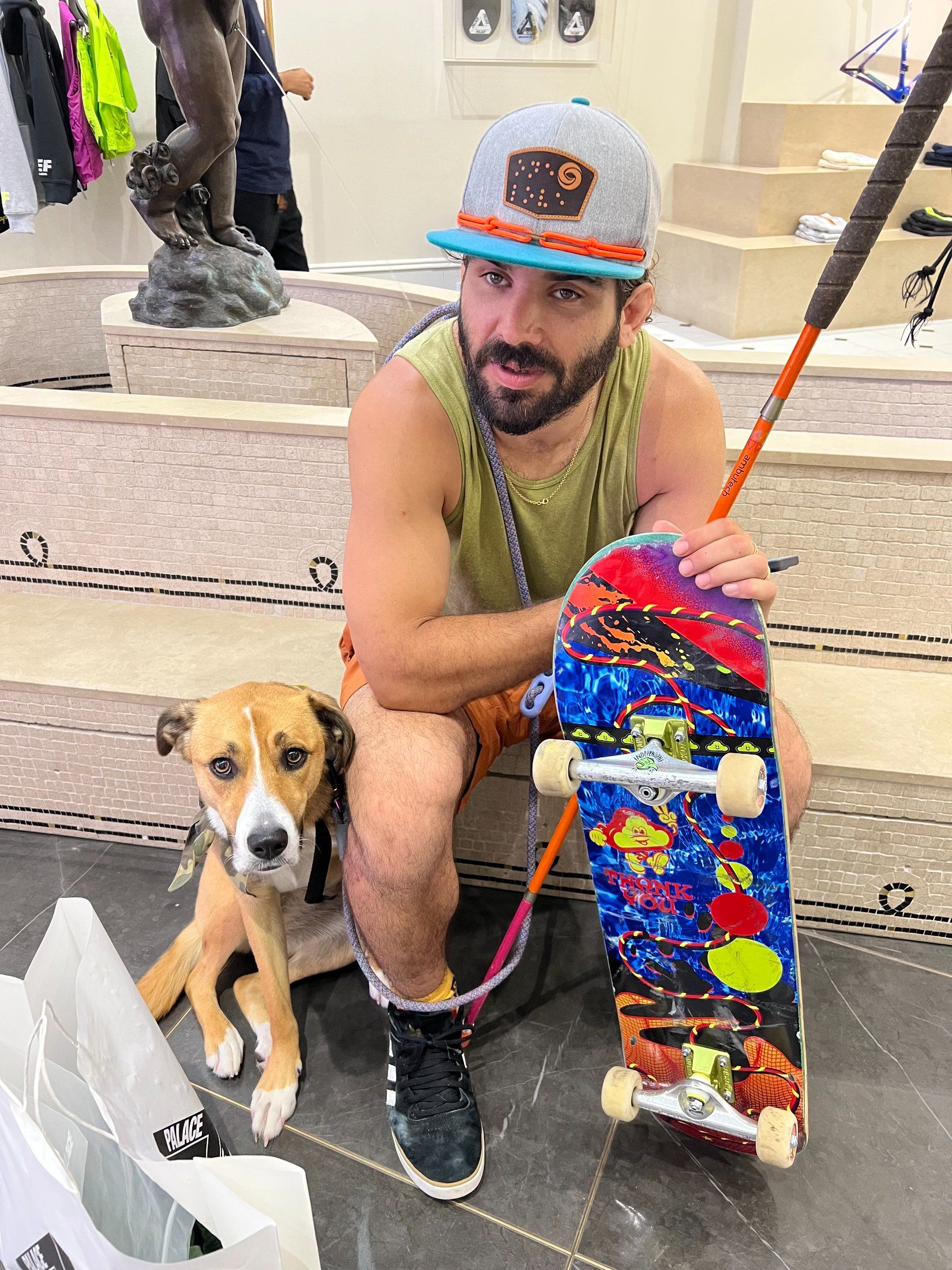
He went to bed with about 100 views. When he woke up, the video was going viral.
People wanted to know more. How does a blind person skateboard? How does he practice judo? And what did he mean by “one love”? So Ferraro kept answering.
His audience grew across platforms, eventually surpassing 1.2 million TikTok followers and, he says, 1 million YouTube subscribers.
But the numbers aren’t what keep him creating. It’s the messages.
People have told Ferraro that his videos helped them stop feeling sorry for themselves, face challenges in their own lives, and even get sober.
“There are times where you’re like, ‘I don’t know if I’m reaching anyone, really,’” he says. “And then you get a message, and you’re like, ‘Well, I can’t stop.’”
Becoming a Blind Dad
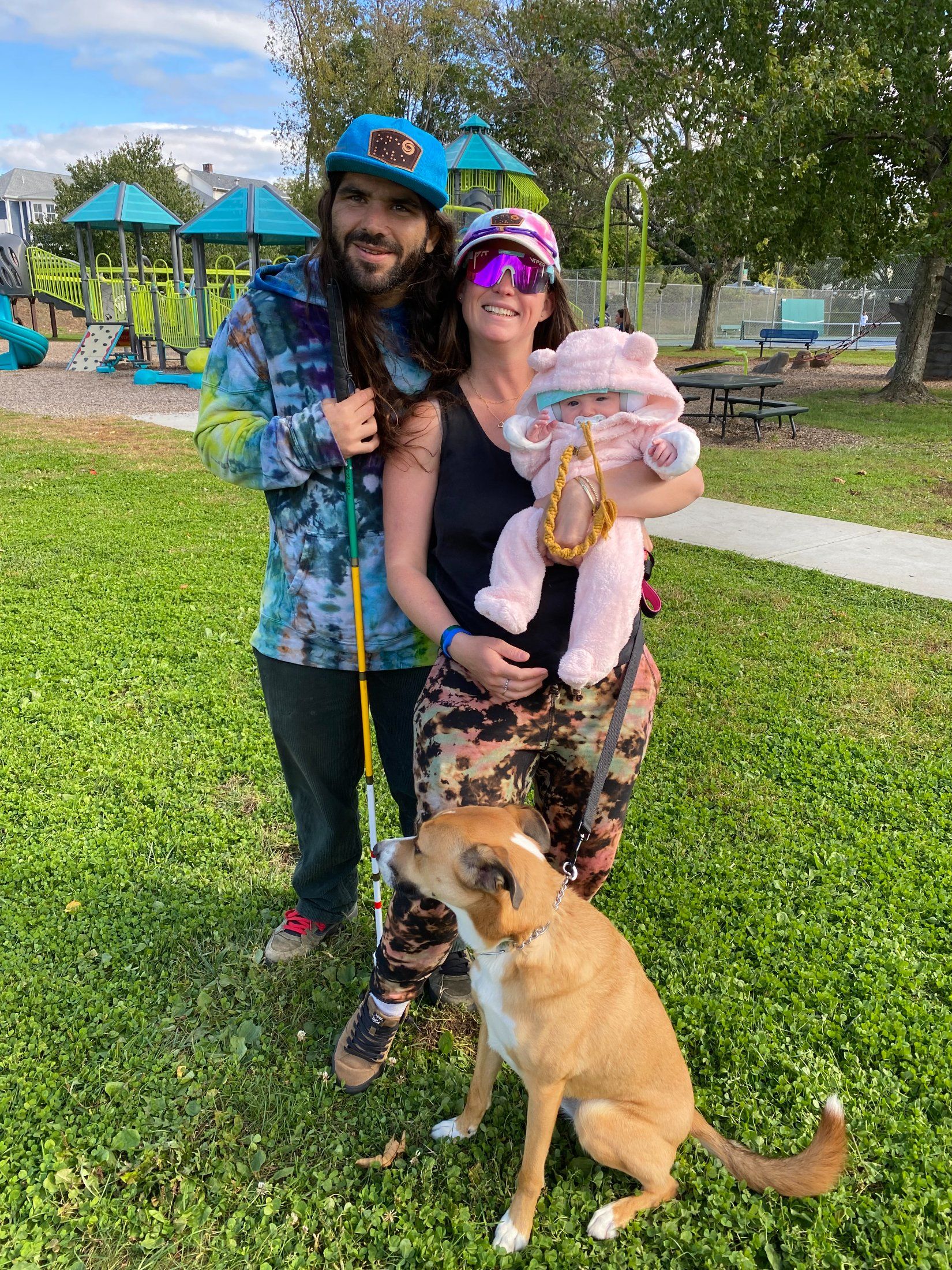
In 2023, another dimension of Ferraro’s life began appearing in his content: fatherhood.
He and his wife welcomed their daughter, and Ferraro began showing followers what it's like to be a blind dad. Like every parent, he improvises.
When his daughter reached the stage where she could suddenly run away from him, Ferraro found small bells from a children’s musical instrument set, attached them around her ankle with Velcro, and could follow the sound. Now, she helps him, too.
Ferraro affectionately calls her his “seeing-eye child.”
At a restaurant, if he says he needs to find the bathroom, she might jump up and announce that she’ll take him. If he’s looking for a chair, she's learned to tap the seat rather than point and say, “Right there.”
Ferraro has watched her develop an understanding of disability that he hopes will stay with her. She accompanies her parents to adaptive skateboarding competitions, where athletes may be blind or have upper- or lower-limb differences. To her, it’s simply normal.
“They’re her friends,” Ferraro says. “She sees them just as a person.”
A Place in The Dot Experience
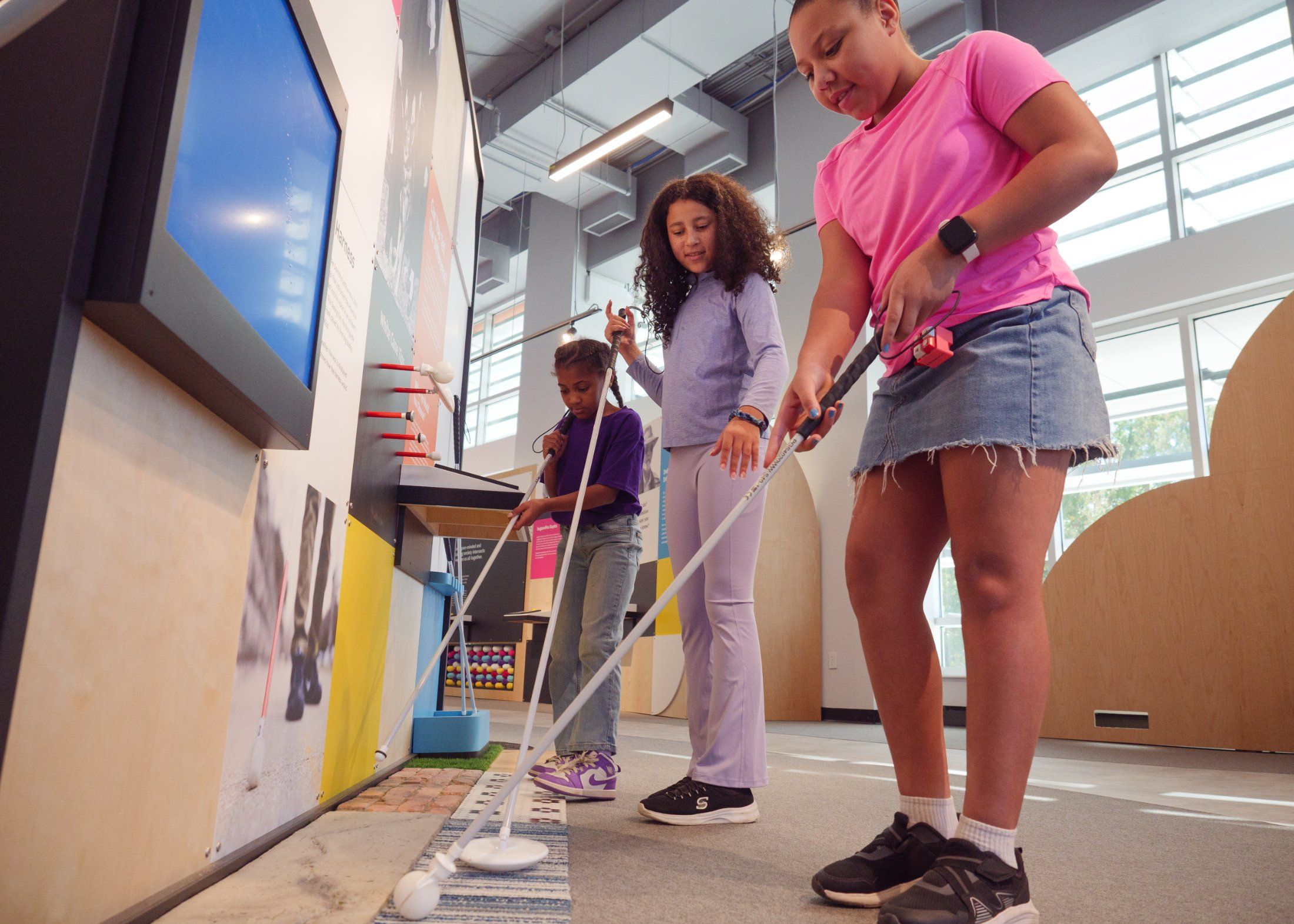
That idea — changing how people understand blindness — is also at the heart of Ferraro’s latest project.
The American Printing House for the Blind created The Dot Experience, an immersive museum. The 28,000-square-foot museum in Louisville is designed for blind and sighted visitors alike, using touch, sound, Braille, and interactive experiences to explore blindness, accessibility, technology, and the lives of blind people.
For a man whose career has largely been built in the fast-moving worlds of athletics and social media, the permanence of a museum exhibit is meaningful.
“All the work and advocacy work and stuff I’ve tried to do — it’ll live beyond me.”
What’s Next for Anthony Ferraro?
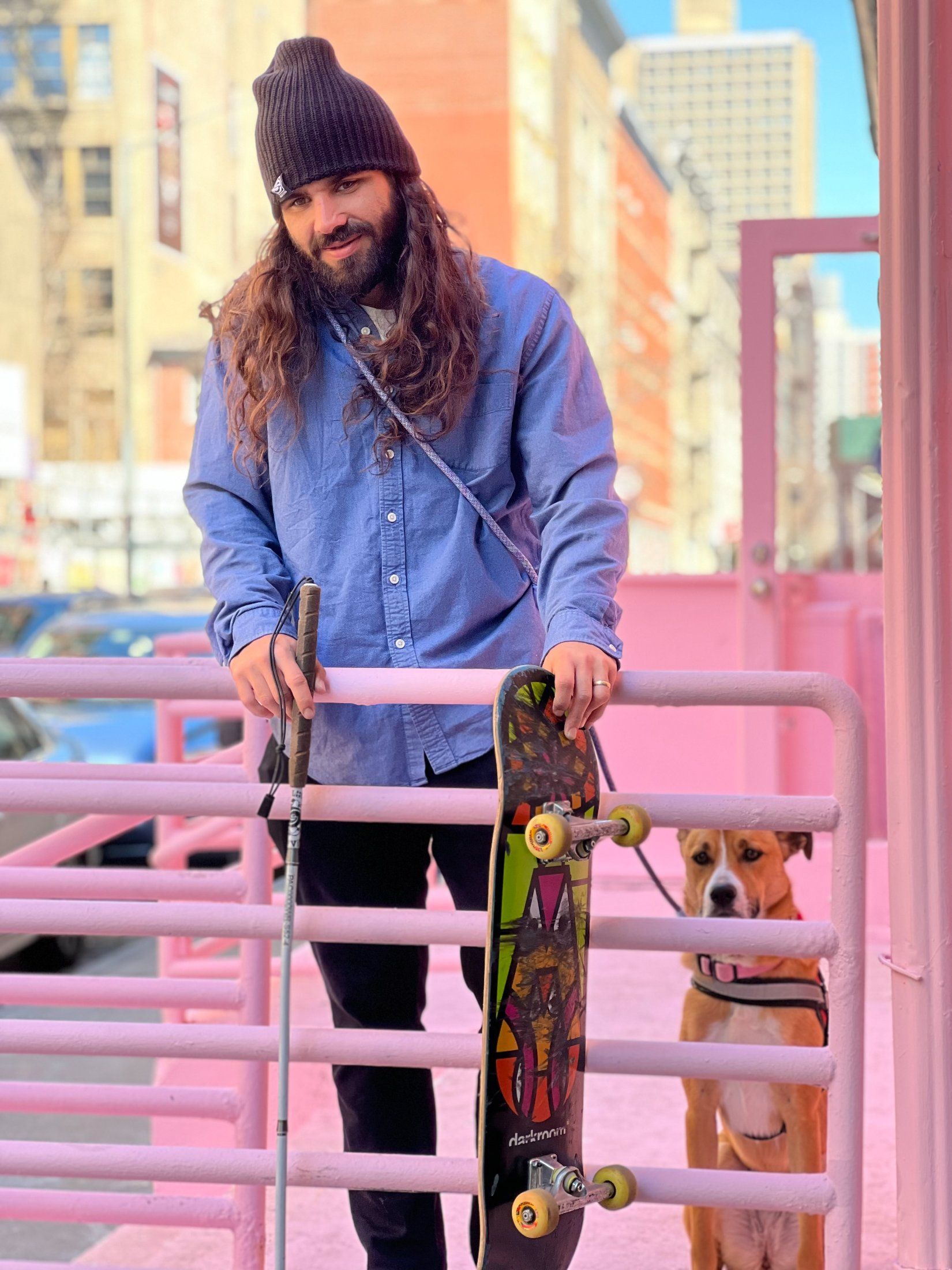
He’s training toward the LA 2028 Paralympics, continuing to create content and music, and speaking to audiences ranging from elementary school students to corporations and conferences.
He also uses his platform to advocate for accessibility. In one recent collaboration, Ferraro worked with guitar amplifier company Victory to help develop a Braille-accessible amplifier for blind musicians.
And while Ferraro still loves a big goal, his priorities have evolved. “Really, just being a great dad and husband,” he says. “That’s the most important to me.”
Growing up blind, Ferraro says, he sometimes wondered whether he could ever build and provide for a family.
Today, he has a wife, a daughter, a dog, and a new home here at the Jersey Shore. “It’s like a dream,” he says.
For a blind child wondering what his own future might look like, Ferraro has a message that echoes the philosophy that has carried him from Spring Lake wrestling mats to international judo competitions, millions of screens, and now a museum.
“There’s always a way through or around every obstacle you’re going to run into,” he says. “You just can’t give up.”
One love.